by simeon | Feb 16, 2022 | Sights, Travel Experience
Built on the banks of the Vltava river, Prague is undoubtedly a must-see destination, as it features idyllic landscapes, medieval streets, castles made out of fairytales and various other sights of traditional and modern architecture.
The capital of the Czech Republic is an attraction for thousands of tourist every year, and rightly so!
Let’s have a look below, some of the reasons that make Prague so popular and so beautiful.
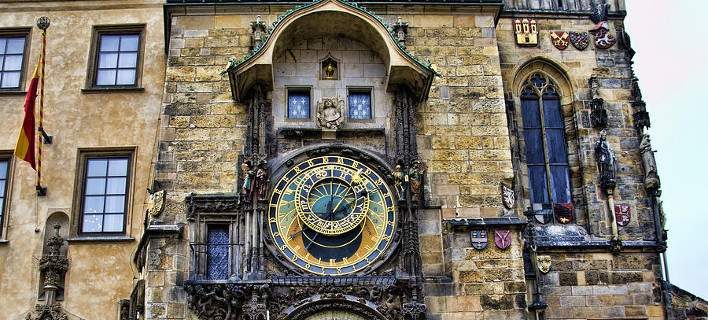
The Astronomical Clock
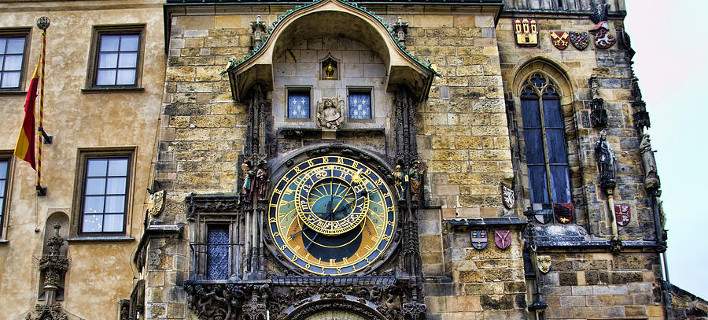
The Astronomical Clock of Prague is a medieval astronomical clock in the center of the city. Today’s clock is an exact replica of the original one which was destroyed during WW2. It is located on the southern wall of the Old Town Hall, in the Old Town Square. Two of the most important astronomers of the 16th and the 17th century, Tycho and Kepler, lived in Prague and worked at the Benatek Observatory, leaving their indelible scientific mark and contribution to the city, at the University of which Albert Einstein also taught for an academic year.
Prague Castle
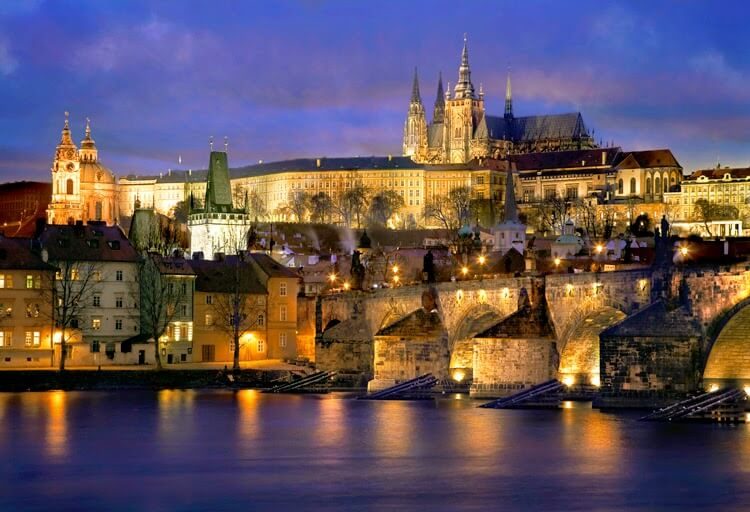
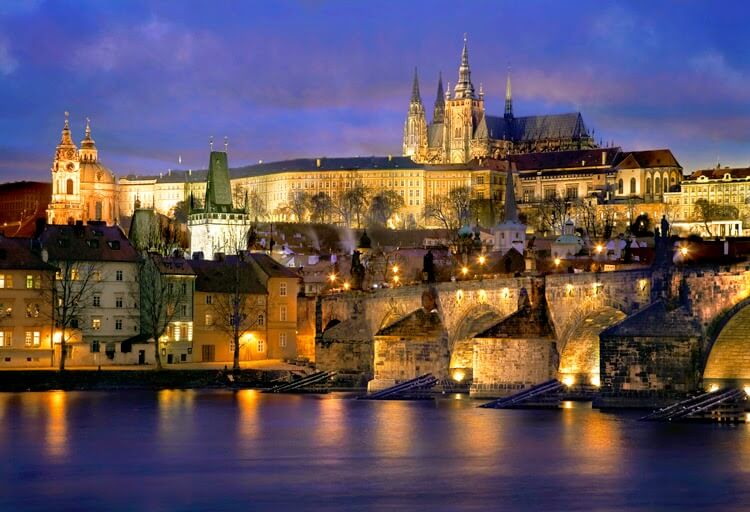
Prague Castle is located in the Hradčany district. It’s one of the largest and oldest castles in the world. The Castle was home to the offices of the Czech kings, the Holy Roman Empire and the Presidents of then Czechoslovakia, today’s Czech Republic. The Bohemian Crown Jewels are also kept within a hidden room inside it.
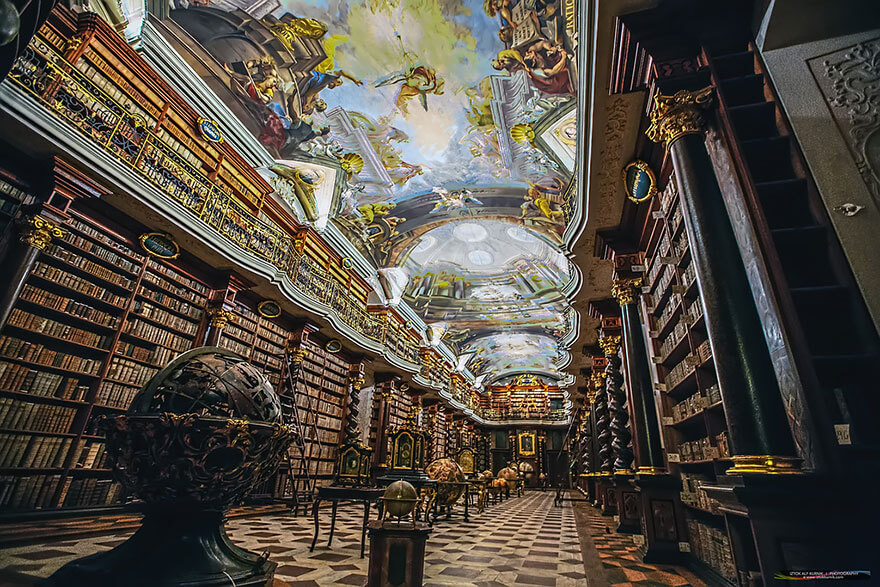
Klementinum Library
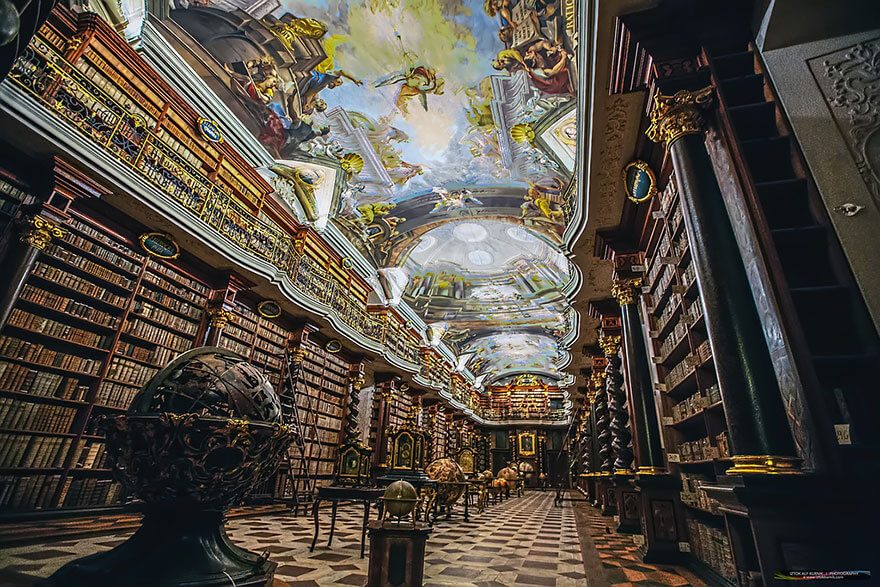
It is considered one of the most beautiful libraries in the world, and we have to agree! A unique example of a classic Baroque style, the library opened in 1722 as part of a Jesuit university and houses a stunning collection of 20.000 book.
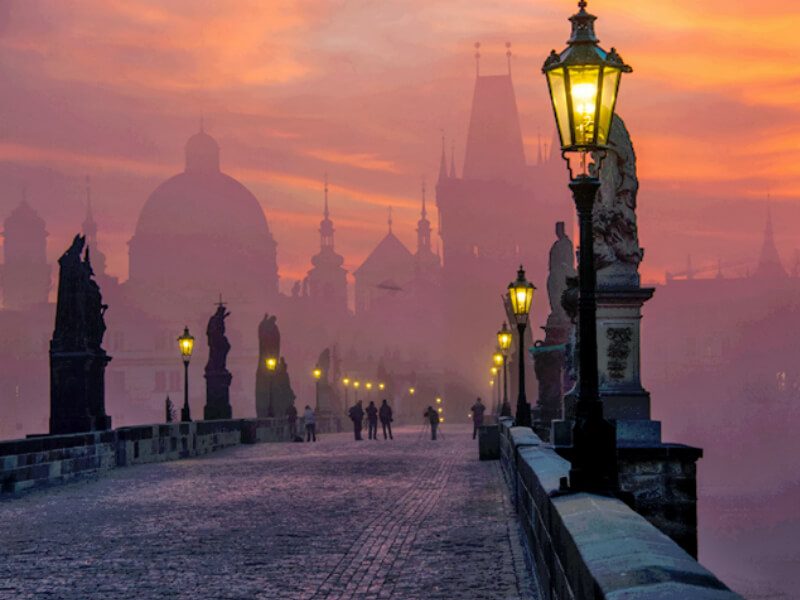
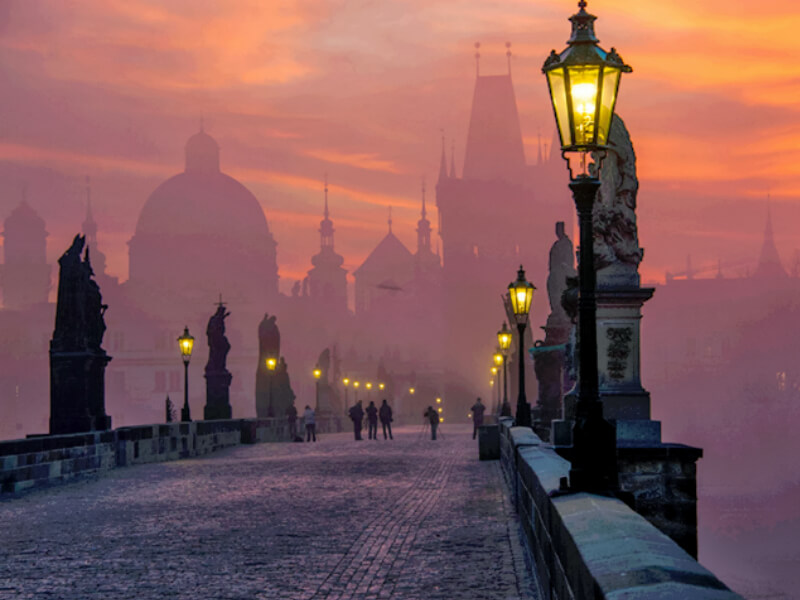
Charles Bridge
It’s the oldest bridge of Prague and replaced the Judith bridge which had been destroyed by floods in 1342. The former “Stone Bridge” or “Prague Bridge” was renamed in Charles Bridge in 1870. Construction began in 1357 and was completed in 1402. The avenue of 30 mostly Baroque statues and statuaries situated on the balustrade, with the most famous that of St John of Nepomuk, forms a unique connection of artistic styles with the underlying Gothic bridge. If you touch it, it guarantees you that you’ll return again to Prague. However, don’t be discouraged by the crowd on the bridge. Your walk may be accompanied by a little “traffic jam” but it is totally worth it! Cross the Vltava river and continue wandering the uphill streets of Mala Strana, one of Prague’s most historic districts.
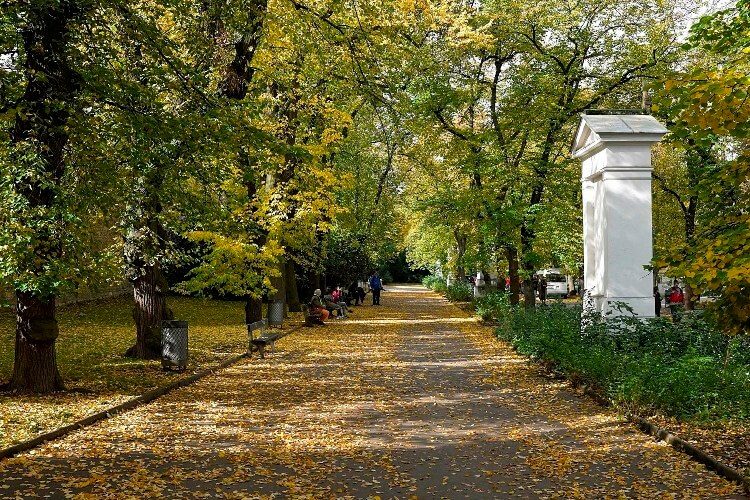
Petřín Hill
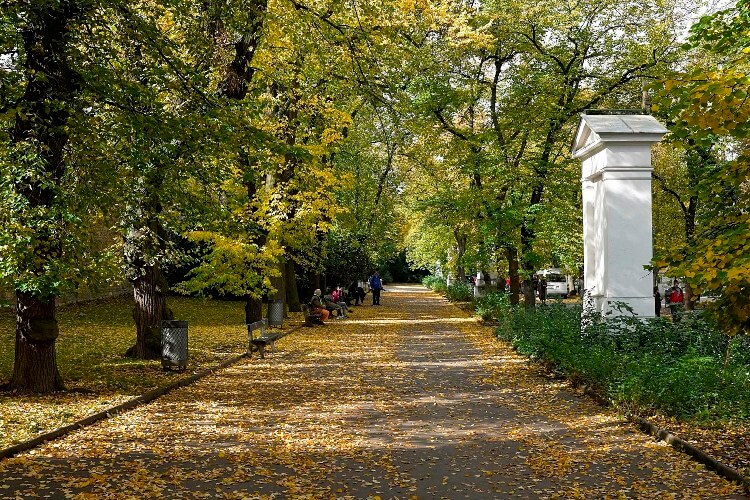
The hill can offer you an indescribable view. The best thing in this place is that you have the chance to see the wonderful cityscape of Prague for free. Other magical places are the countless green paths and the old Ukrainian church, perhaps one of the most romantic parts of the city.
by simeon | Feb 16, 2022 | Sights, Travel Experience
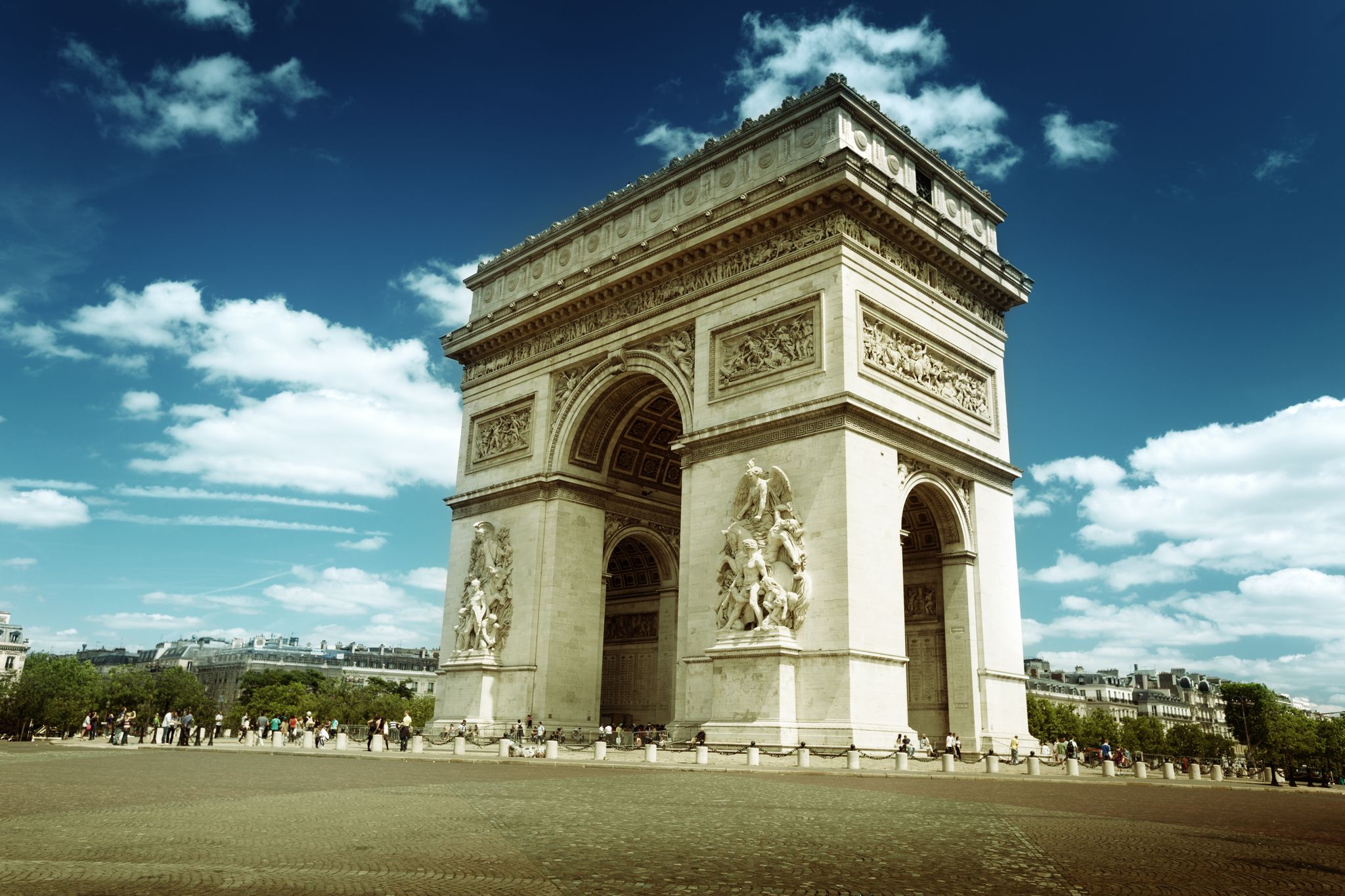
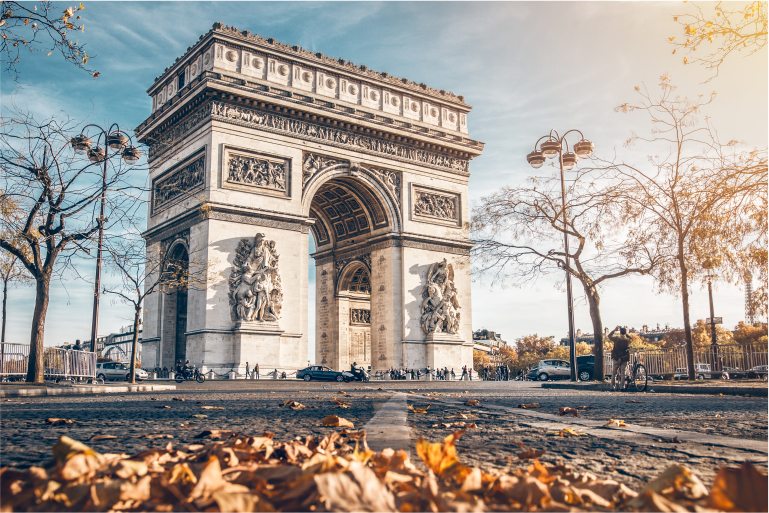
The imposing Arc de Triomphe is located on the square Charles de Gaulle, at the end of the Avenue of the Champs- Elysees and it’s the tallest Arch in the world. Specifically, it’s 55 m high, 45 m wide and 22 m deep.
The four columns on which the Arch is standing are decorated with large reliefs which depict the Departure of the Volunteers of 1792, the Triumph of Napoleon in 1810, the French Resistance in the Battle of Paris in 1814 and the Peace of 1815.
The names of the victories of the french troops and the 558 generals who commanded the french troops during the reign of Napoleon Bonaparte are engraved on its surface. It is a monument- symbol of power and strength and at the same time a symbol of the city of Paris.
Passing through the Arch of Triumph
At first glance, the Arc de Triomphe may look imposing and oversized, but could you imagine an airplane passing through it during a flight? For the first aviators of the 20th century, such risky goals were quite challenging. It was the secret dream of many pilots to pass under monuments like the Arch of Triumph or the Eiffel Tower. The airplanes of that period were much smaller than today’s planes, but the risk was still enormous! It takes a lot of courage and a dose of madness to achieve something like this. The sacred monster of the French Air Force, the legendary Georges Guynemer, stated categorically that it was impossible for a plane to pass under the Arch. Himself a victim of the war of 1917 wouldn’t be able to see its statement being invalidated! On August 7, 1919, Charles Godefroy became the first and the last pilot to fly through the Arch of Triumph.
by simeon | Feb 16, 2022 | Sights, Travel Experience
Palermo is the largest city and the capital of the autonomous region of Sicily.
The city of Palermo has a long history and tradition in the areas of gastronomy and architecture while its culture is over 2700 years old.
It’s located in Sicily, the biggest island of the Mediterranean, on the right of the Gulf of Palermo facing the Tyrrhenian Sea. Palermo was founded by the Phoenicians of Carthage in a fertile plain at the foot of the Mountain Pellegrino and the city was then called “Sis”. Later, the Greeks founded new colonies in the same area, calling the city “Panormos”, which means “Great port”.
Palermo is considered a very beautiful city where you will admire many impressive sights!
Here we’re going to present you some of the top attractions you absolutely have to visit during your trip to Palermo!
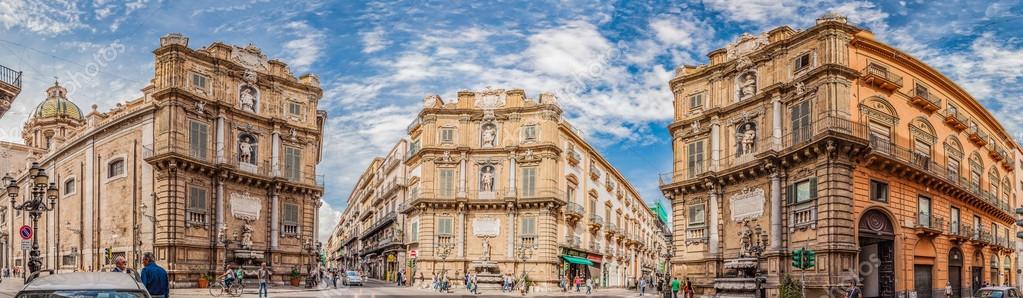
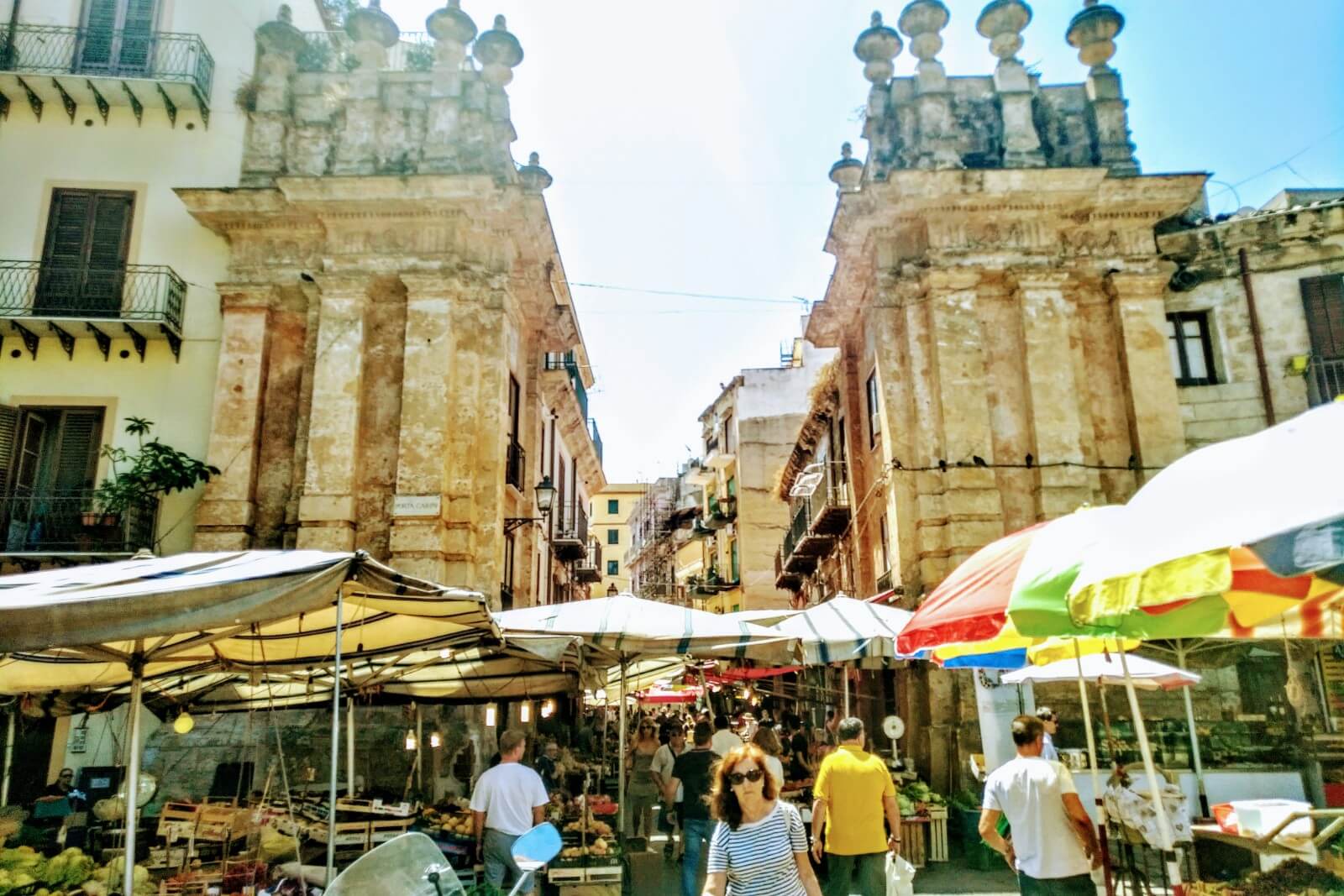
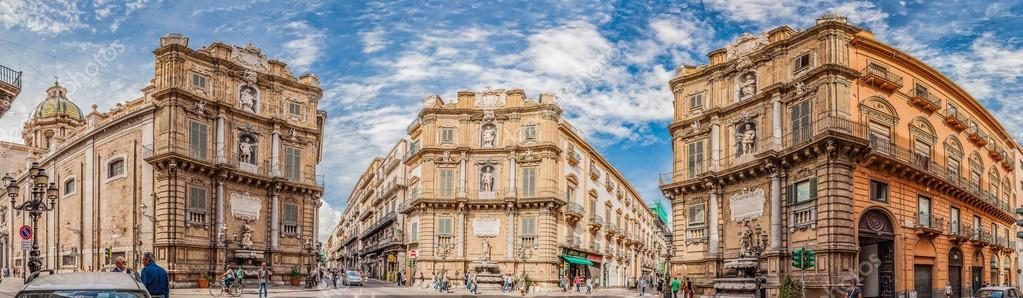
Quattro Canti
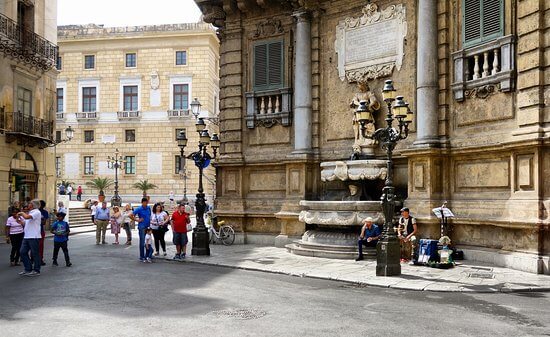
This place gives you the impression that it hosts quite all of human’s history. If you walk down the road, you’ll notice that gradually the claustrophobic atmosphere of the Middle Ages recedes and the streets are widening. When you reach the end of Via Maqueda, you’ll arrive at the Teatro Massimo, a neoclassical building of the 19th century. It’s one of the largest theaters of Sicily.
Via Maqueda
When you reach the end of Via Maqueda, you’ll arrive at the Teatro Massimo, a neoclassical building of the 19th century. It’s one of the largest theaters of Sicily. In its interior, it still hosts spectacular performances, so if you visit Palermo you should definitely check if there are any performances playing in Teatro Massimo at that time, so that you can assist in some of them!
Mercato del Capo
It is one of the oldest parts of the city. Walk through the narrow streets of Capo and try to find the way that leads to Piazza del Monte and from there to the church of Saint Augustine. The building dates from the 13th century. Although you’ll find it impressive in its entirety, pay special attention to the mosaic windows which are decorated with roses.
Cattedrale
Cattedrale is perhaps the most famous monument of Palermo. Originally built by the Saracens, the Palace grew under Norman rule, while its Court was known for its wealth of poets and artists. The facade you’ll see today is a work of the Spaniards and dates back to the 17th century. On the other hand, if you like to focus on every detail, you should visit the neighbouring Palazzo dei Normanni to admire the decorative mosaics of the Capella Palatina.
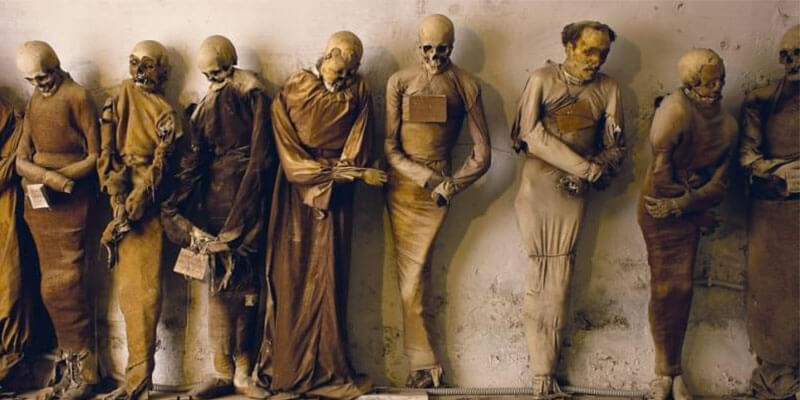
Catacombe dei Cappuccini
Finally, those who don’t get scared by the idea…..they can visit the Capuchin Catacombs, an underground cemetery with 8.000 mummified bodies.
by simeon | Feb 16, 2022 | Sights, Travel Experience
Dubrovnik is known as the “Saint Tropez” of the Balkans as it is an international and very popular destination. This medieval city, which was once a rival of Venice, is built entirely of white stone and marble, and its walls rise almost 40 meters above the sea. The landscape, the climate, the colors of the city, all remind of Greece.
However, while you’re crossing the Great Walls, the first sight that welcomes you is a map with coded signs indicating the extent and the magnitude of the damage from the Serb bombing during the 1995 conflict. Apart from the map and the restoration of demolished buildings which are characterised by visible but discreet interventions, there is no other evidence that war was waging here until recently.
Let’s see now some main reasons that a visit to Dubrovnik…is a must!
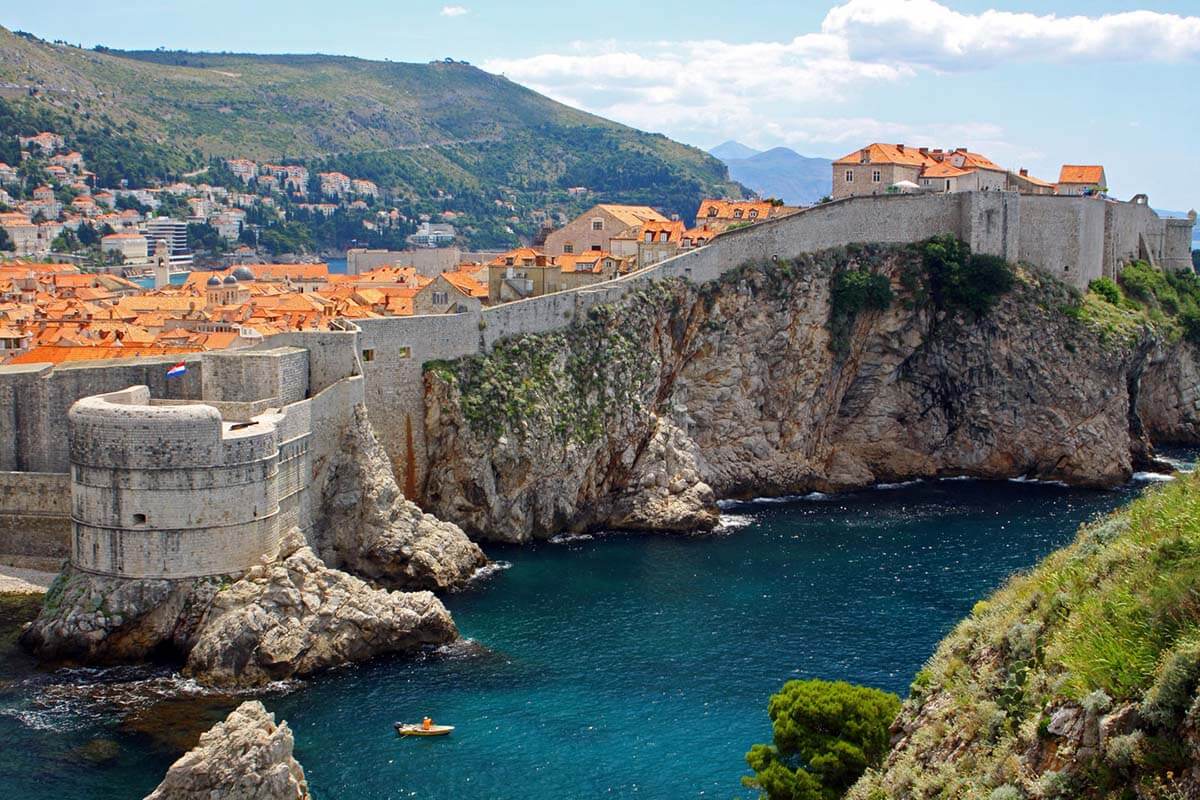
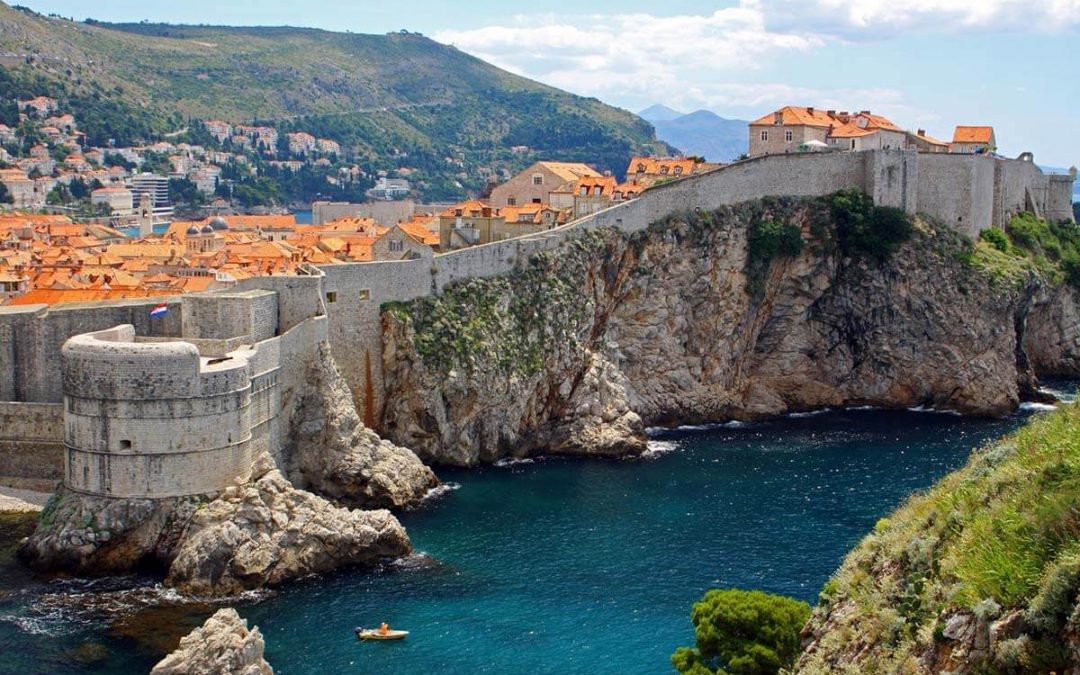
The Walls of the Old Town
The Walls of Dubrovnik are considered the most completed and perhaps the largest of Europe. They were built from the 8th to the 16th century in order to protect Stari Grant from any kind of besiegers. You should walk on the fortifications on a 2km long path that looks like being on a limbo above the Adriatic sea. A little further away, it’s the Tower of St. Lucas that protected the entrance of the port. Make a stop at the 16th century semicircular fortress of St. John to visit the Aquarium and the Nautical Museum. Ragusa, as it was called Dubrovnik in old times, was once a famous naval state with seagoing ships around the world!
The Fortress Lovrijenac
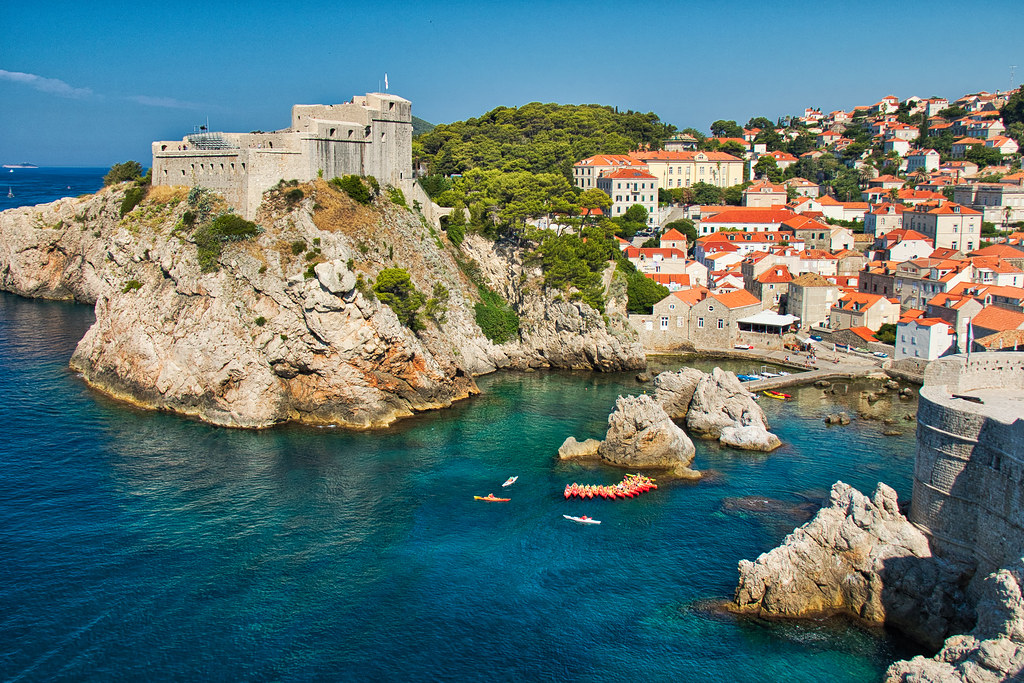
The Fortress is also known as “Dubrovnik’s Gibraltar”. The solid stone fortress dominates a hill of 37 meters and protects the western entrance of the city. If it reminds you of something, it is because it was the setting for The Game of Thrones TV series.
The Clock Tower
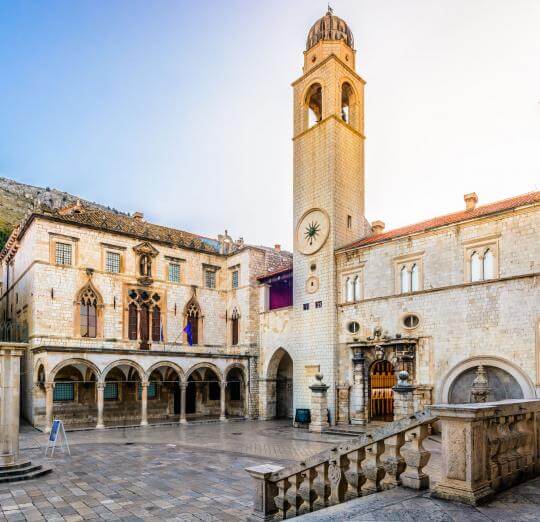
A symbol of the city in the central square of Lonza, the 31 m high Tower began to be built in 1444. Two wooden figures of soldiers, later replaced by bronze statues, undertook to ring the clock on the old 2000 kg bell. The locals named them Maro and Baro but eventually they got the nickname “zelenci”, which means green people, from the color given to them by the Adriatic salt.
Sponza Palace
It’s an impressive building of the 16th century that combines masterfully architectural elements of the Gothic and Renaissance era. In the past, it first housed the customs and then operated as a literary club made for the high society of the city that organised meetings on its elegant garden to discuss philosophical matters.Today, the historical archives of Dubrovnik are kept on the premises of the palace.
Dubrovnik Cable Car
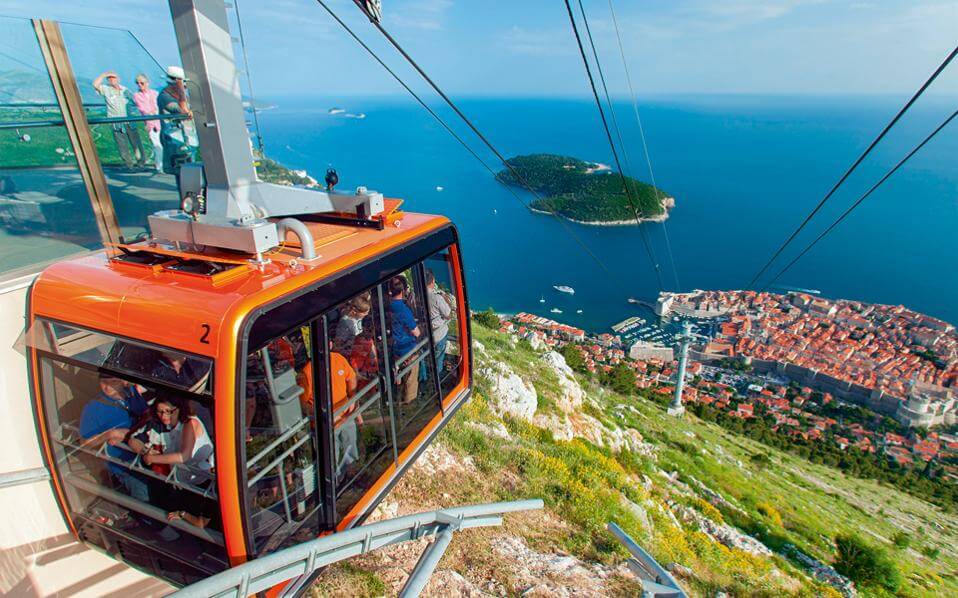
At the height of 413 m above the city, the hill offers an amazing panorama of the city and the Adriatic which resembles a postcard! At the top stands the imposing Imperial that houses the War Museum. You can admire all this through a cable car that will offer you a unique view and an unforgettable experience.
by simeon | Feb 10, 2022 | Travel Experience
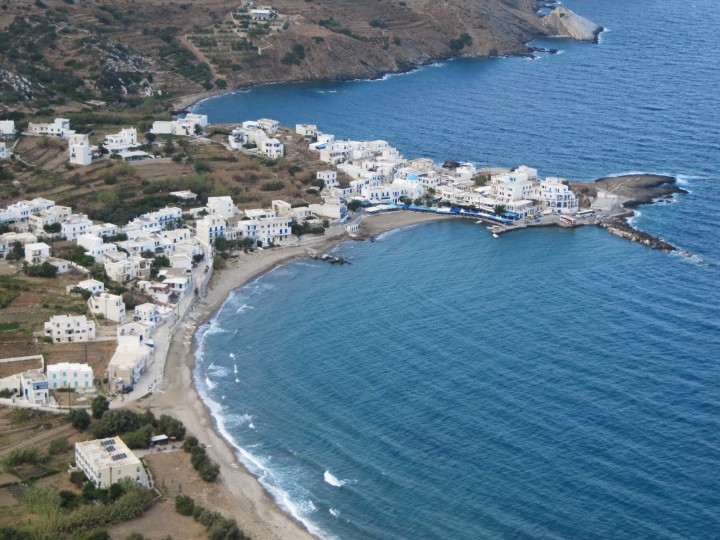
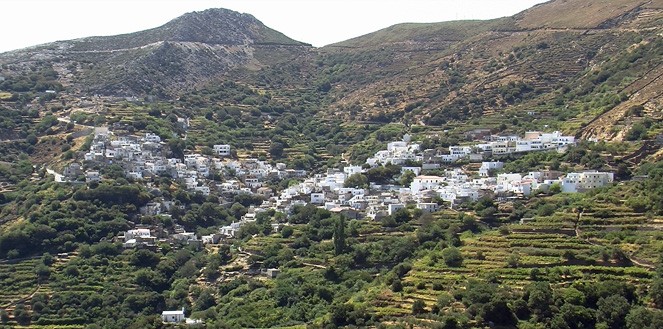
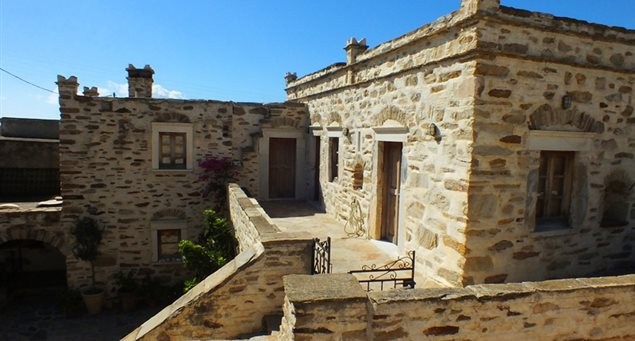
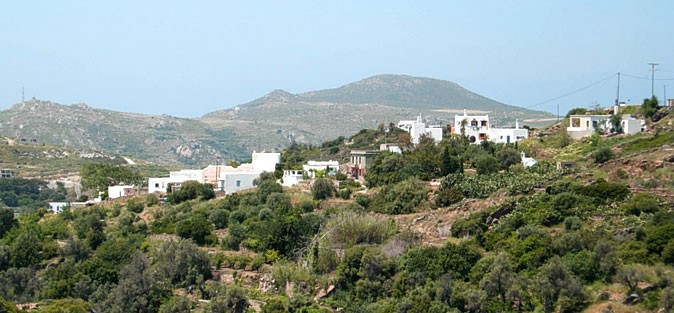
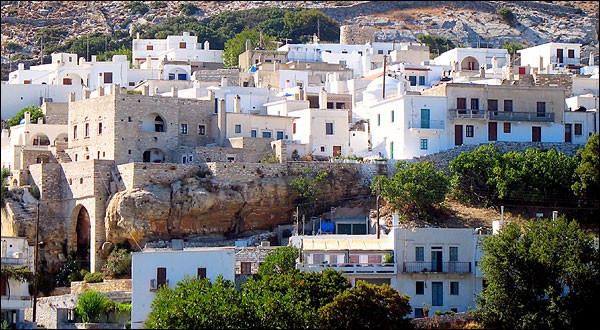
Naxos is the biggest island of the Cyclades! The alternation of the mountainous and fertile landscape makes the island very attractive. You will be impressed by the large coast with sand, the blue water, the green valleys and the springs of the island. Moreover, Naxos Is well known for the tapestry, the embroidery, the knits and also her local products, such as the drink citrus, the cheese, the local meat, and the tradition of hunting. As in every island, Naxos has a lot of beautiful villages, some of which are mountainous and others coastal. So, we present the most picturesque villages of the island that you definitely have to visit during your stay at this amazing island of Cyclades.
Apiranthos
Apiranthos could be characterized as a marble village, because it has a lot of marble streets, graphic squares and two floored houses. It is located at the foot of mount Fanari, in height of 600 meters and at a distance of 28 kilometers from Chora. It is considered that the local residents have come from other regions, such as Asia Minor and Creta, because they used to practice fishing and navigation, occupations that are unusual for mountainous villages. Besides, in the village you will meet the biggest library of Cyclades and a feminine cooperative of the art of tapestry. You should visit the Archaeological and Geological museum, as well as the Museum of Natural History and the Laografic one. If you don’t have your own vehicle, you can use the bus, that often departs from Chora.
Apollonas
Apollonas is on the northeast side of the island and is the most developed touristically settlement of northern Naxos. It is inhabited from the antiquity, because of the marble quarry, that existed there. They would transfer the marbles outside of the island through the port. A few meters in front of the main entrance of the village, you can see the giant Kouros of Apollo, that lies there from the ancient times. Inside the village you can find a big sandy beach and some stores, cafeterias and tavernas. At 29 of August there’s the celebration of Saint John, the patron saint of the island, and every year at 28 of August they do a traditional feast at the tavernas of the village. The buses depart very often from Chora and can transport you to the village.
Koronos
Koronos is located on the northwest side of the island and is considered as one of the oldest settlements. It’s built at a height od 540 meters, on the slopes of a stream, from where you can admire a magical, green landscape.In th village you will meet a lot of squares, cafes, tavernas, stores and workshops with local products. In the village there is the Laografic Museum, inside a traditional hostel. Chora is 28 kilometers away from the village and if you don’t have a car, you can use the public transportation that has frequent itineraries from Chora.
Sangri
Sangri is said to be one of the most beautiful villages of Naxos and is well known for its architecture. It’s built on the west side of the village and it’s divided into Ano Sangri and Kato Sangri. A Ano Sangri, a visit to the ex monastery of Saint Eleftherios is really worth it, as it used to function as a secret school during the ottoman rule. Today it hosts the Laografic Museum. A Kato Sangri, you will meet the ruins of two Venetic Towers, meanwhile in a distance of 20 minutes there’s another tower, the tower of Palaiologos dated in 1699. The village is 11 kilometers away from Chora. Near the area you can find lots of known beaches, such as Mikri Vigla, a paradise for the lovers of windsurfing and kitesurfing, such as Glyfada, Kastraki and Alykos with its cute cedar forest.
Myli
Myli is a small village a western Naxos, built at the green valley of Melana. Its name originated from the watermills that existed in the aerea. There aren’t a lot of permanent residents in the village, but those who have remained, still practice the traditions of their land. The route to the village is the best thing of all. Gardens full of flowers and trees, old water mills and huge planes next to fresh waterfalls. The route is just magical. The public transport to the village is not very frequent, there are only a few itineraries from morning till noon.