by 1824 | Nov 18, 2021 | Beaches, Food, Museums, Sights
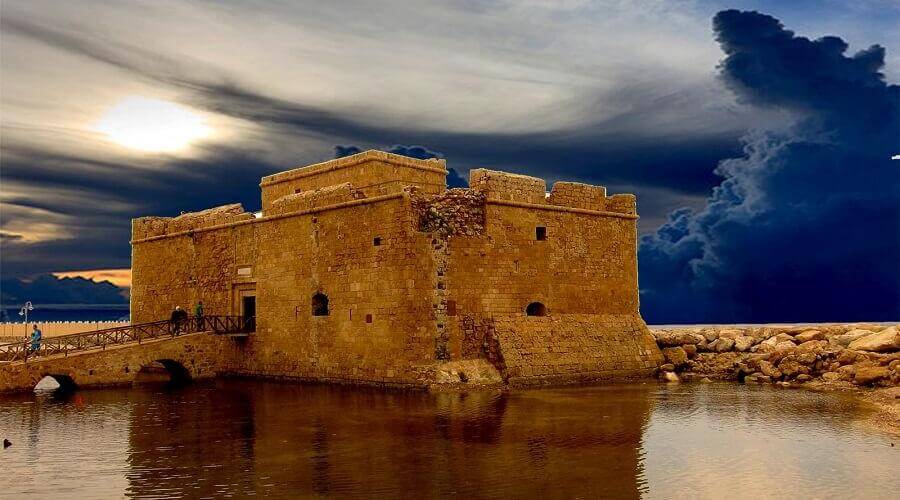
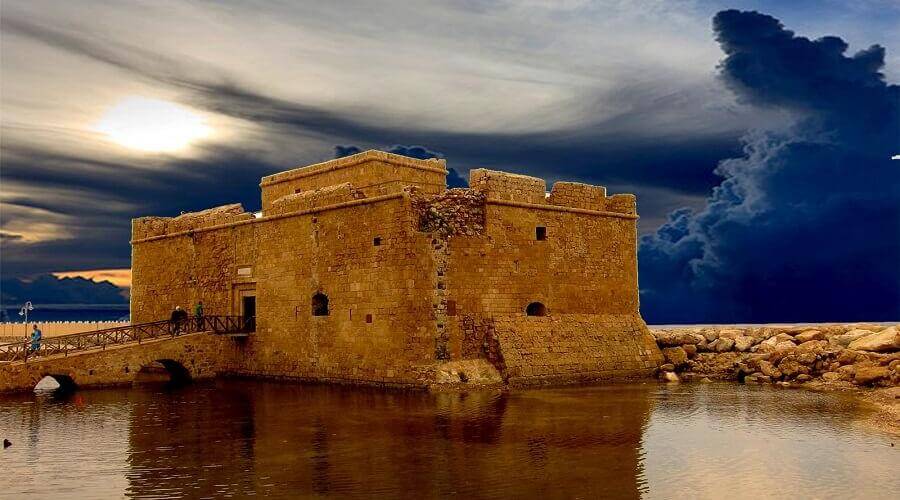
Paphos is one of the most beautiful cities of Cyprus and the capital of the homonymous region. It’s divided into “Ano Paphos” and “Kato Paphos”, with the former being the commercial part of the city and the latter the tourist one, as it’s located by the coast. It has always been the city that was and is still loved by archaeologists and fans of history, due to its numerous historic monuments. It’s worth noting that Paphos was destroyed and rebuilt twice, once in the 1st century and the other in the 7th, as well as during the Ottoman occupation. Today, it’s a modern and beautiful city, which has nothing to envy from the rest of Europe. The museums in the city of Paphos are not one, not two but twelve, something that justifies the love of archaeologists for it. After all, it’s one of the few cities in the world that has been completely included in the UNESCO World Heritage Map. The impressive Byzantine castle and the huge tombs of the kings of the 4th century are a pole of attraction. Finally, as soon as the sun goes down, the city transforms into a huge party, especially in the area of Kato Paphos, where most of the beach bars are located.
A few things about Paphos
The name of Paphos is directly connected with the ancient goddess Aphrodite, as Paphos was the name of her daughter with Pygmalion. Nevertheless, there are five other contenders for the city’s name! Geographically, it’s located 8 miles west of the old town, which was destroyed by an earthquake in the 12th century BC. It was originally a small village, but when the historic Salamis began to decline, Paphos then took the reins and became the capital of the wider area. Finally, for lovers of religious history, Apostle Paul was imprisoned in the city of Paphos, when he brought the message of Christ to the island in 45 AD.
by 1824 | Nov 18, 2021 | Beaches, Food, Fun, Sights
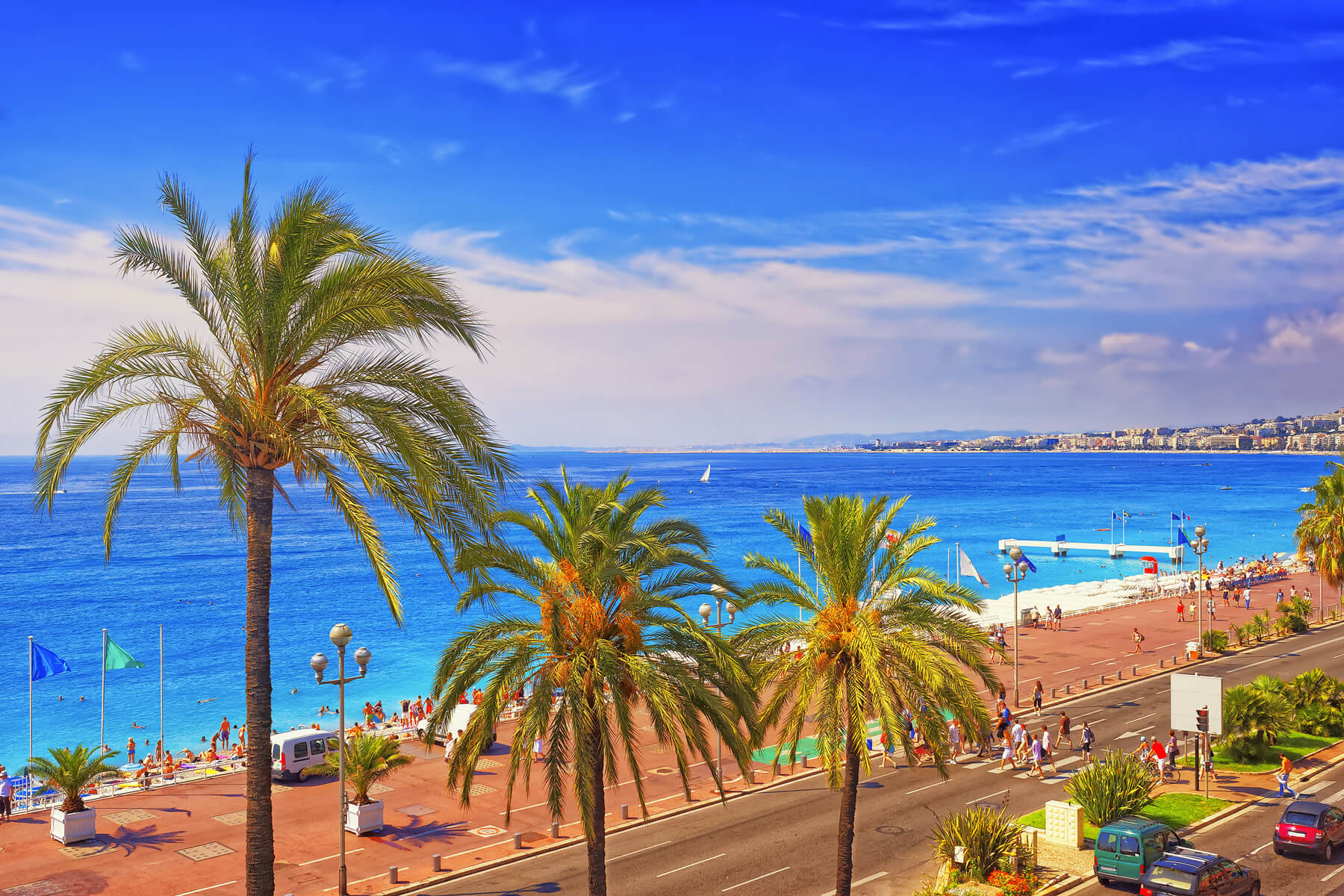
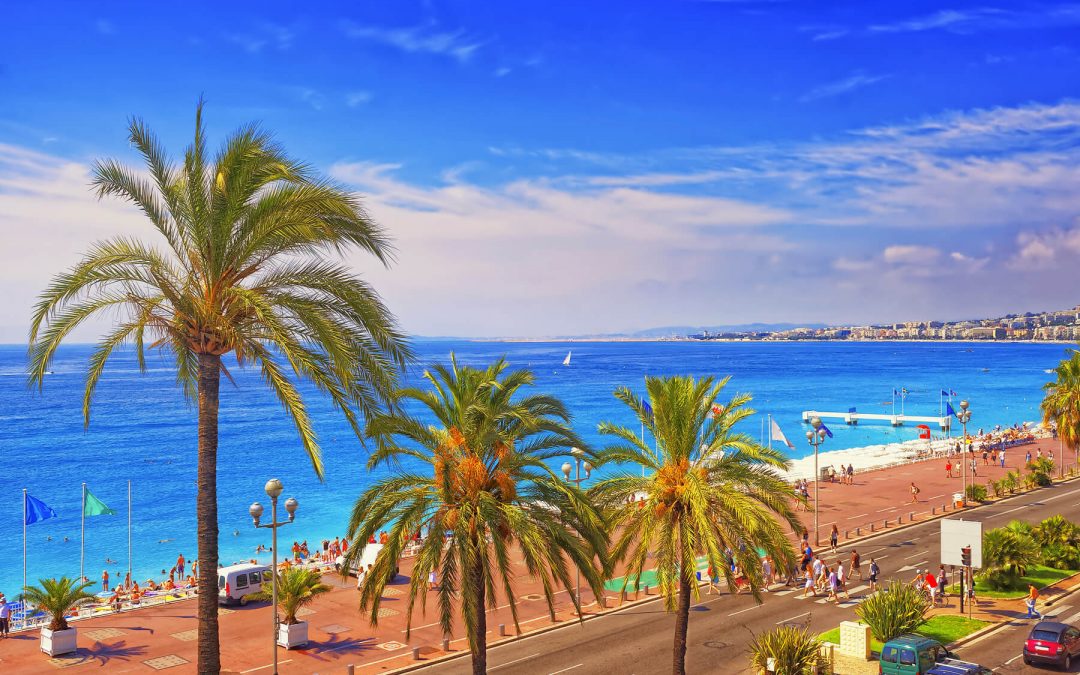
One of the most beautiful and perhaps, the most frequent choice of tourists after Paris is Nice. It’s located in the south of France, it’s a coastal city and has the most beautiful beaches that can be seen in the country, with unique turquoise waters. To get to know Nice you have to walk it. As in most cities around the world, the secret parts of the city are hidden in its alleys and therefore, you should explore Nice well enough in order to find them. What is quite sure, is that your walk should start from the famous walkway Promenade des Anglais, where hundreds of people are walking and relaxing during every hour of the day. Your next stop should be the old town of Nice, which is truly magical. The dozens of shops in each of its alleys, the open-air flower market and its magical architecture create a unique atmosphere. Some very interesting places to visit are also the Malonat area with its special buildings, the Botanical Garden of Nice, Garibaldi Square and the Cathedral of Nice. Finally, we couldn’t help but mention the awesome French cuisine. In Nice, you’ll find several restaurants to taste the wonderful local cuisine. After all, it’s no coincidence that Nice is proposed as one of the top destinations in Europe to enjoy your meal.
Nice by night!
As the sun goes down, the Promenade des Anglais walkway turns into an endless pedestrian street with thousands of people. There, you can find various bars to enjoy your drink, as well as the Opera de Nice to enjoy the different experience of a night at the Opera. Finally, you could end your day on the steps of the Palais de la Justice listening to the nearby concerts.
by 1824 | Nov 18, 2021 | Beaches, Food, Fun, Museums, Sights, Travel Experience
Malta forms part of a complex of 7 islands in the middle of the Mediterranean, between Sicily and Tunisia. Of these 7 islands, only 3 are inhabited and that’s why it’s the smallest state of the European Union. Despite its small size, it has a history of 7000 years, beginning at around 5200 BC. In the course of its history, many settled there, leaving their mark on its architecture and traditions.
As mentioned above, Malta has a long history and has managed to keep many buildings and other parts of the island intact. The most important places of its capital that we singled out and are worth visiting are the palace of the Grand Master of the 16th century, which today houses the country’s Parliament, the Cathedral of St. John, the National Archaeological Museum and the Manoel Theater.
As you can imagine, throughout its long history, of course, the country’s tradition, as well as its cuisine, could not remain unaffected. Due to the sea that surrounds the island state, you can enjoy the freshest Mediterranean fish, with the local fishermen providing the restaurants with fish on a daily basis. Besides, one of the most famous dishes is aljotta, the local fish soup, which you’ll find in almost all restaurants. However, if you ask the locals, they’ll suggest you eat the traditional hare, which is served fried, stewed or as a filling in pies.
Finally, to enjoy the nightlife of Malta, there are several options for all kinds of visitors. Depending on your mood, you can choose the area you prefer best and let the rhythms of the nightlife take you over. Moreover, Malta has a huge tradition in liqueurs, while it’s worth trying Kinnie, the Maltese national drink which is a sparkling soft drink with oranges and a small dose of Martini.
The Grandmaster’s Palace
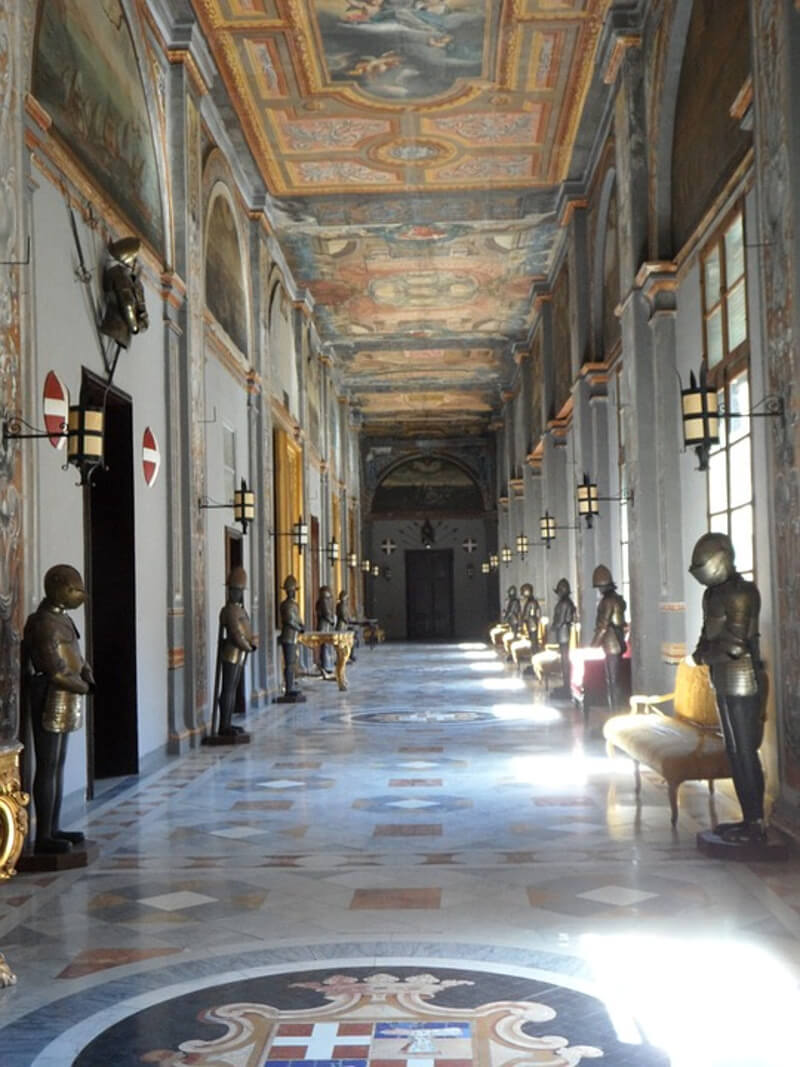
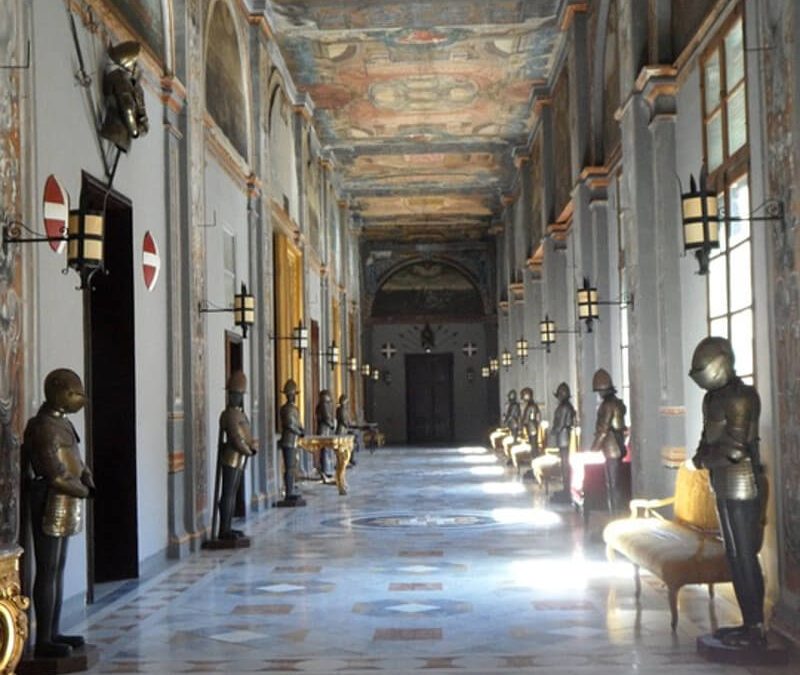
It is one of the most representative examples of architecture that characterizes the capital of Malta. The original palace, built in 1571 by Grand Master Jean Parisot de la Valette, functioned as its seat. Later, during the British colonial period, it became the seat of the governor, while over the centuries the palace received several modifications and improvements. Armored swords, shields and spears are just some of the exhibits of great interest. Today, it’s the home of the Maltese House of Representatives and the office of the President of the Republic of Malta.
by 1824 | Apr 10, 2020 | Travel Experience
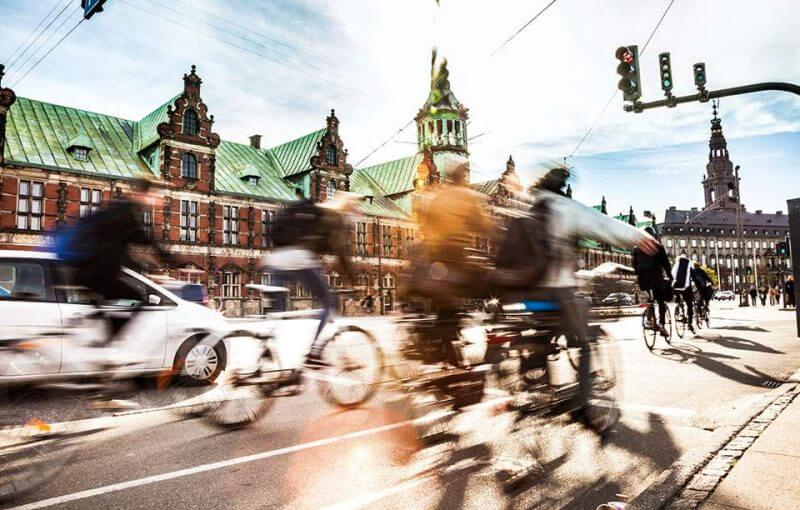
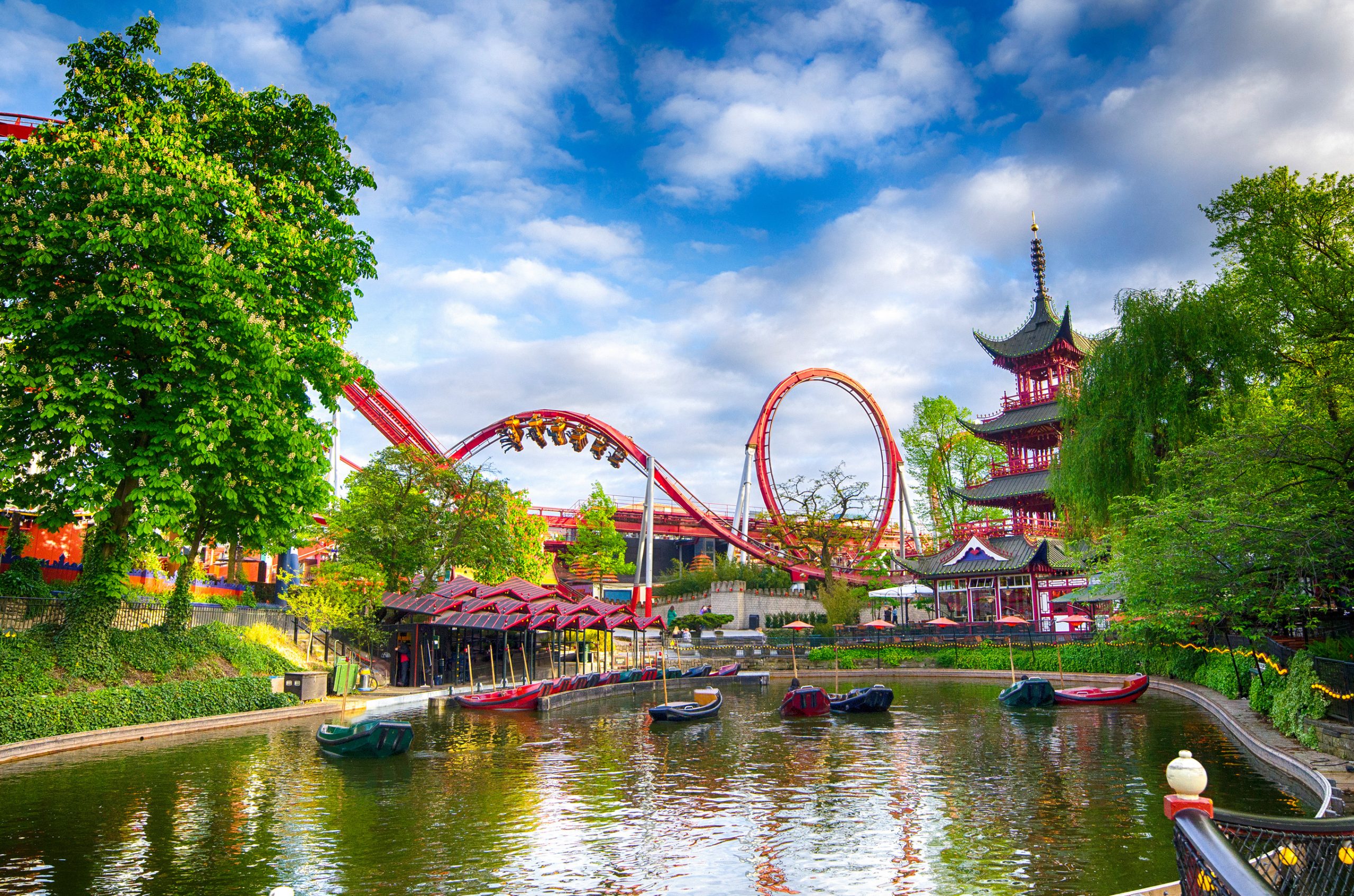
Copenhagen is the largest city and the capital of Denmark. It’s considered the most densely populated city of northern Europe and is the most touristic city among all the Scandinavian ones, attracting more than 1,2 million visitors each year. It’s one of the most eco friendly cities with the largest percentage of its inhabitants using the bicycle for its daily commutes and therefore, traffic jams are very rare in the centre of the city.
Let’s go biking!
Biking in Copenhagen is such a pleasure and a reliable transportation solution in the city even under extreme weather conditions. Its bike paths of excellent quality and the rest of cycling infrastructure are the “jewel” of the city. On the streets of Copenhagen today you’ll see citizens of all ages, young, old, children cycling. The boulevard Nørrebrogade is not that wide and yet, here you’ll see a bike path, a lane of cars and large sidewalks! This is what true design efficiency looks like! It is one of the best bike paths but also one of the most beautiful to ride. The construction works started in 2008. As more and more citizens use the bicycle as a means of transportation, the competent authorities have made sure that cyclists have the suitable parking space in many parts of the city. Also, the traffic system with its traffic lights has been regulated in such a way that cyclists do not come into contact with cars. Copenhagen is definitely a city for countless bike rides. Regardless of whether the weather is good or bad, you can take your bike and start biking!
by 1824 | Apr 8, 2020 | Sights
Moscow is a symbol city that has greatly influenced world history and culture. It has impressive monuments and attractions but also its own special atmosphere. In the Russian capital you will experience its uniqueness from the very beginning.
Let’s see now, some of the “must” choices that you have to make if you are to visit Moscow for the first time- and not only.
The Moscow Kremlin
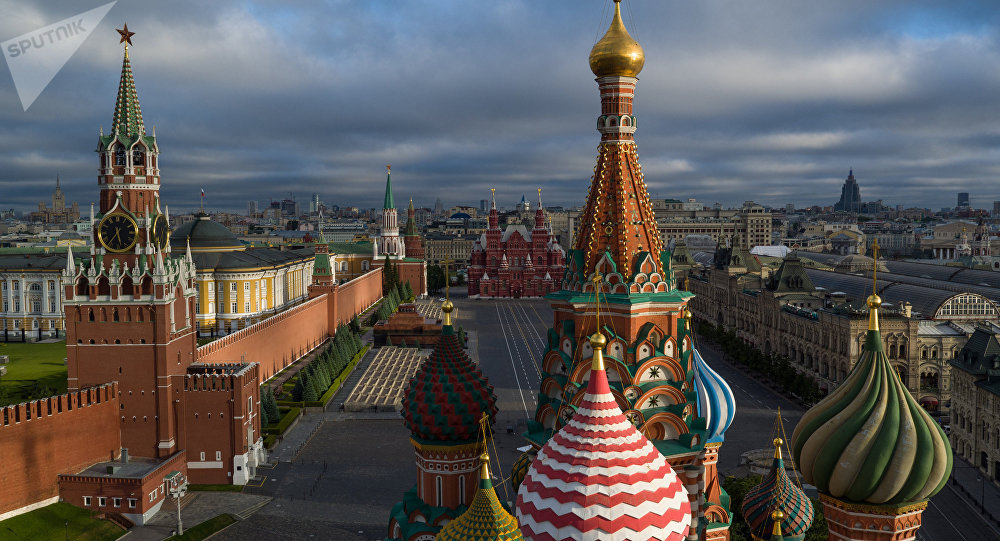
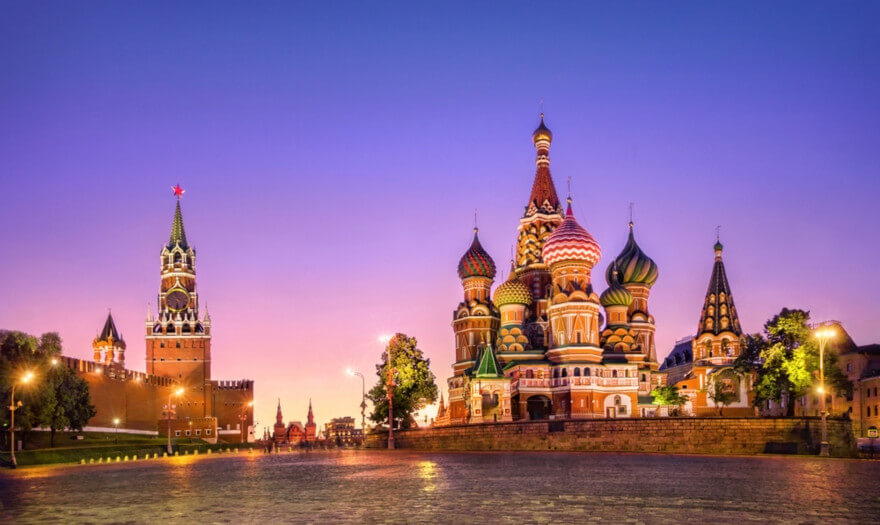
The Moscow Kremlin is the oldest part of the Russian capital and at the same time its historical centre. It is often referred to as the Kremlin which in Russian means “castle”. The Moscow Kremlin originally consisted of a medieval castle which evolved into an Acropolis in the late 15th century. When it comes to its architectural characteristics, it has an outer wall and a fortification complex with 20 towers which, despite being constructed in the years 1485-1499, is preserved to this day in a very good condition. This kind of fortification became a model for the creation of other Kremlin in Russian cities.
Lenin’s Mausoleum
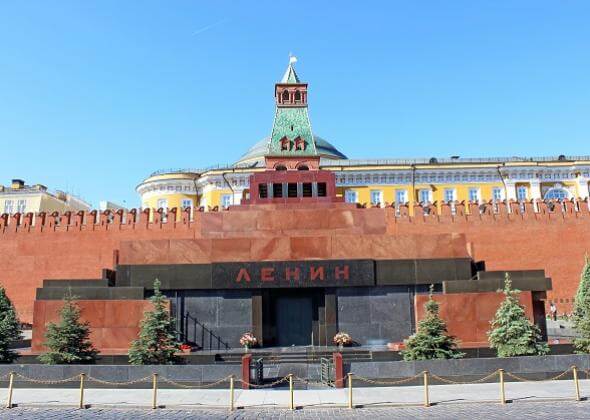
Lenin’s Mausoleum, also known as Lenin’s Tomb, is a mausoleum situated on the Red Square, in the centre of Moscow. Till today, it is the place where the body of the first soviet leader Vladimir Lenin is preserved and in public display since shortly after his death.
Gorky Park
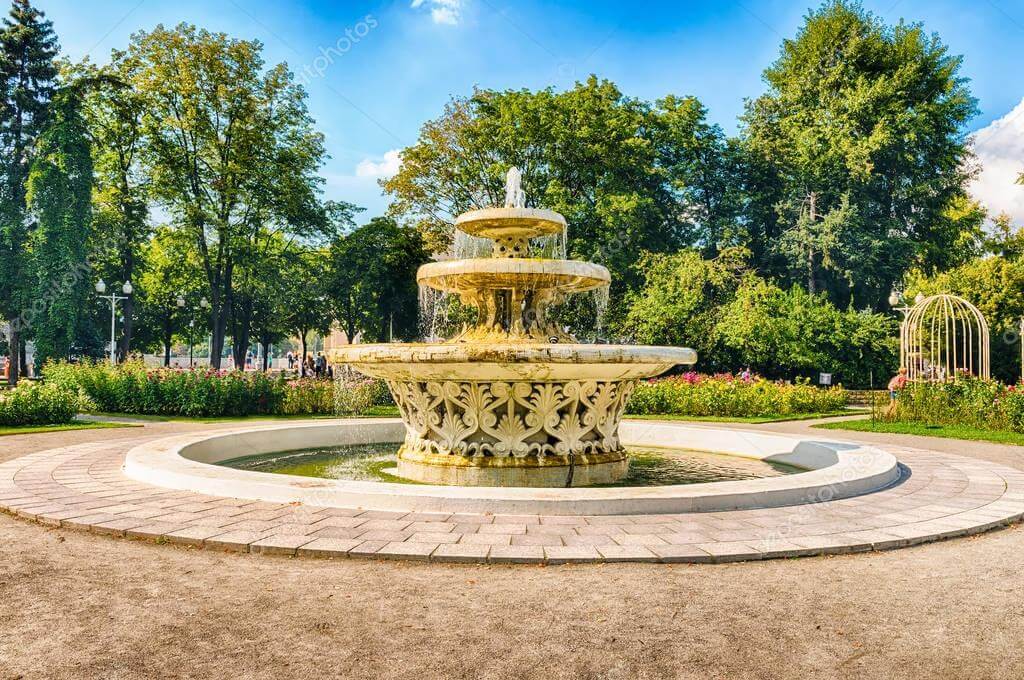
It was named after the popular writer Maxim Gorky and was of great inspiration for Cruz Smith’s novel “Gorky Park” on which the successful “Gorky Park” movie was based. The Park stretches along the Moskva River and is divided in two parts. The first is ideal for children, as it provides a variety of playground and games. The other half consists of gardens and buildings of limited access. A walk in this park will definitely be enjoyable!
The Bolshoi Theater
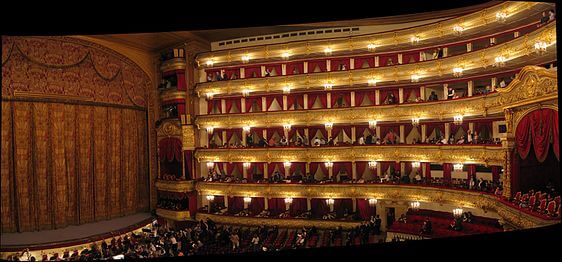
The Bolshoi Theater is a historical theater of Moscow dedicated to opera and ballet. The Theater was founded in 1776 but the current neoclassical building is from the 19th century. It is considered a symbol of Russia, due to its contribution to the performing arts. Its troupe consists of ballet dancers, musicians and opera singers and it is one of the oldest and most popular troupes in the world. Many famous plays, such as Tchaikovsky’s Swan Lake, premiered on the Bolshoi Theater stage. Its neoclassical facade is depicted on the 100 ruble banknote.
The Red Square
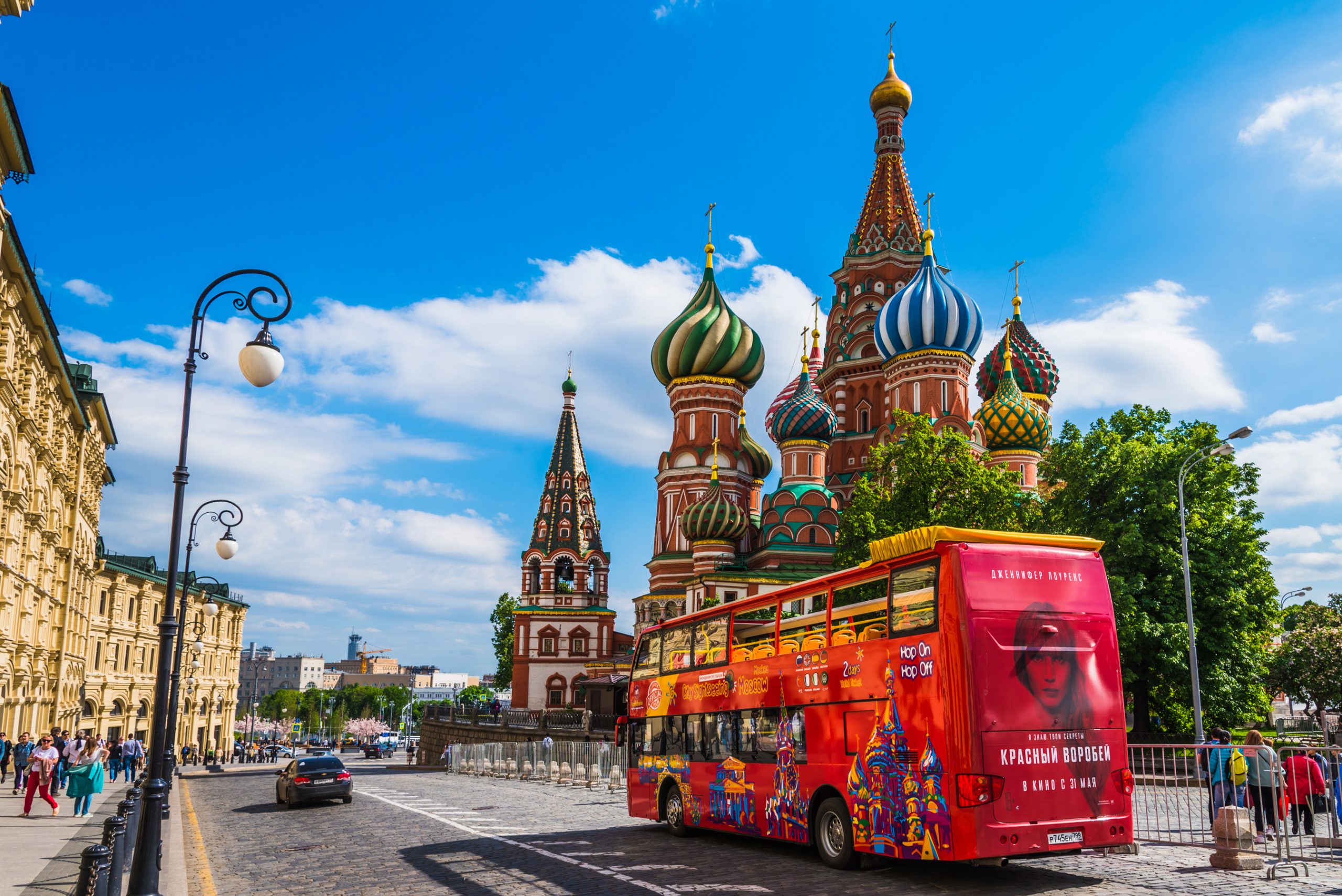
The Red Square is the central square of Moscow and is therefore considered the central square of Russia. It was originally designed to serve as Moscow’s main market, and throughout history it has been used for various official ceremonies and numerous other government events. The name of the square, despite logical presumptions made by most visitors, doesn’t come from the color of the bricks used for its construction or from the relationship between the color red and communism. Instead, it derives from the root of the Russian word “Krasnaya” which means beautiful or red. This designation was applied to the description of the adjacent church of St. Basil and was later transferred to the square. A visit to the Red Square is inevitable, as you simply have to get photographed there having on your background one of the historic buildings that surround the square.